


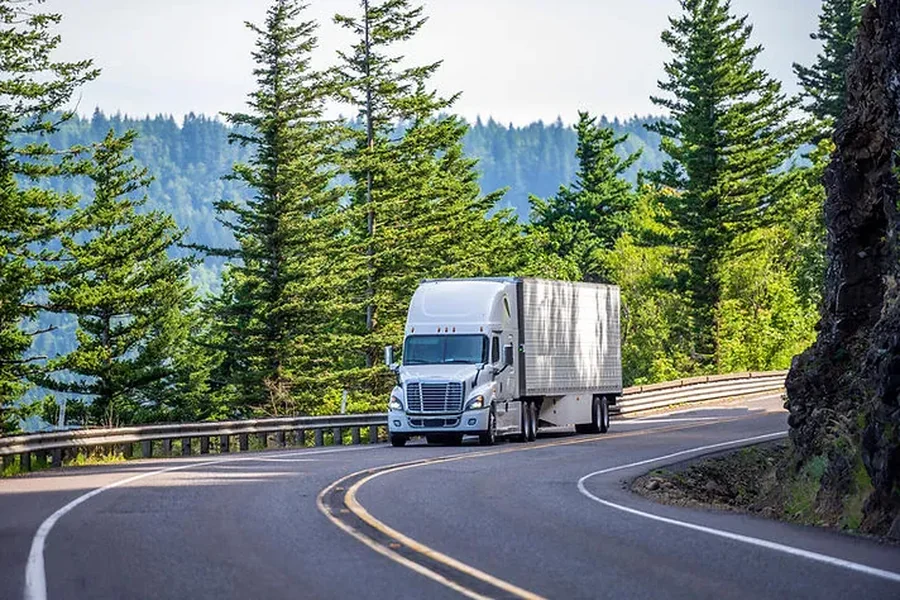
Truck driving is a demanding profession that comes with significant responsibilities and risks. Whether transporting goods across town or across Australia, drivers are exposed to potential accidents, property damage, and liability claims. Understanding liability coverage is essential for protecting yourself, your vehicle, and your business. With the right insurance, truck drivers can safeguard their finances, maintain compliance, and continue operations with confidence. This guide explores the key aspects of liability coverage, why it matters, and how to choose the right policy for your needs.
What Is Liability Coverage?
Definition and Purpose
Liability coverage is a type of insurance for truck that protects drivers from financial responsibility if they cause injury or property damage to another person while operating a vehicle. Unlike comprehensive or collision coverage, which insures your own truck, liability insurance focuses on third-party protection, covering medical expenses, legal fees, and repair costs.
Legal Requirements
In Australia, certain levels of liability coverage are mandatory for commercial vehicles, including trucks. Compliance ensures that drivers and operators meet state and federal regulations and can operate legally on the roads. Insufficient coverage may result in fines, licence restrictions, or legal complications.
Types of Liability Coverage for Truck Drivers
Public Liability
Public liability insurance covers claims made by members of the public for injury or property damage caused by truck operations. For example, if a truck accidentally damages a parked car or injures a pedestrian, public liability insurance covers the costs associated with the claim. This protection is particularly important for drivers who frequently interact with the public during deliveries or loading and unloading.
Product Liability
Product liability covers situations where the goods being transported cause damage or injury. For example, if improperly secured cargo falls and causes an accident, or a defective product damages property during transport, product liability coverage provides financial protection. This type of coverage is essential for drivers transporting fragile or high-risk goods.
Motor Vehicle Liability
Motor vehicle liability is a core component of truck insurance, covering damage or injury caused to third-party vehicles and passengers in the event of an accident. This coverage ensures that claims for repair costs, medical treatment, and legal expenses are handled efficiently, protecting both the driver and their employer.
Employer’s Liability
For truck drivers employed by a company, employer’s liability insurance covers incidents where the driver or other employees are injured while on the job. It protects the business from financial claims arising from workplace accidents and ensures compliance with occupational health and safety regulations.
Why Liability Coverage Is Important
Financial Protection
Truck accidents can result in substantial expenses, including vehicle repairs, medical bills, and legal fees. Liability coverage mitigates the financial impact of these incidents, preventing drivers and business owners from bearing these costs personally.
Legal Compliance
Operating a truck without adequate liability coverage can lead to legal penalties, licence suspension, and fines. Having the correct insurance ensures that drivers meet regulatory requirements and can continue operating legally and safely.
Peace of Mind
Knowing that liability claims are covered provides peace of mind for drivers, allowing them to focus on their work without worrying about potential financial exposure. This confidence can improve job performance and reduce stress on the road.
Protecting Your Reputation
Accidents involving trucks can affect not only finances but also the driver’s and company’s reputation. Prompt resolution of claims through liability coverage demonstrates professionalism and responsibility, maintaining trust with clients and partners.
Factors to Consider When Choosing Coverage
Type of Goods Transported
The nature of cargo influences the type and level of liability coverage required. Hazardous materials, perishable goods, or high-value items may require specialised policies to ensure adequate protection against damage or injury.
Vehicle Size and Usage
Heavier trucks and those used for long-distance transport typically require higher coverage limits due to increased risk exposure. Understanding the specific requirements for your vehicle type ensures that coverage is sufficient for potential claims.
Driving History
Insurance providers assess driving records when determining coverage options and premiums. A clean driving history may result in lower premiums, while previous accidents or violations may require additional risk management measures.
Business Structure
Owner-operators, small fleet operators, and large transport companies have different insurance needs. Tailoring liability coverage to the size and structure of your business ensures comprehensive protection for all operational aspects.
Managing Liability Risks
Safe Driving Practices
Adhering to road safety rules, maintaining appropriate speed, and staying alert reduce the likelihood of accidents and liability claims. Regular training and awareness programs for drivers can further minimise risks.
Vehicle Maintenance
Properly maintained trucks are less likely to be involved in accidents caused by mechanical failure. Routine inspections, servicing, and addressing issues promptly contribute to safer operations and lower liability exposure.
Cargo Security
Correctly securing and distributing cargo prevents shifting or falling goods that could cause accidents or damage. Using straps, restraints, and other safety measures ensures compliance with regulations and reduces liability risk.
Documentation and Record-Keeping
Keeping detailed records of maintenance, inspections, and driver training demonstrates diligence and responsibility. In the event of a claim, well-maintained documentation can support your case and expedite resolution.
Working with Insurance Brokers
Finding the Right Policy
Insurance brokers specialising in commercial and truck insurance can help drivers identify suitable coverage options. Brokers understand the complexities of policies, coverage limits, and legal requirements, ensuring drivers are fully protected.
Cost Management
Brokers can compare multiple providers to find policies that balance coverage and cost-effectiveness. They also assist with risk management strategies, helping drivers reduce premiums while maintaining adequate protection.
Claim Support
In the event of an accident or claim, brokers provide guidance on reporting procedures, liaising with insurers, and resolving disputes. Their expertise ensures that claims are handled efficiently and fairly.
Conclusion
Liability coverage is a critical component of truck insurance, protecting drivers, their employers, and third parties from financial loss and legal complications. By understanding the types of coverage, assessing individual and business needs, and implementing risk management strategies, truck drivers can operate confidently and safely on Australian roads.
From public liability and motor vehicle coverage to product and employer’s liability, comprehensive insurance ensures that drivers are prepared for unforeseen incidents. Combining proper coverage with safe driving practices, regular vehicle maintenance, and responsible cargo management maximises protection and minimises potential claims.
Engaging an insurance broker can further simplify the process, helping drivers select the right policies, manage costs, and navigate claims efficiently. Ultimately, understanding and maintaining adequate liability coverage is not just a regulatory requirement—it is a smart investment in safety, financial security, and long-term peace of mind for anyone operating a truck professionally in Australia.
