


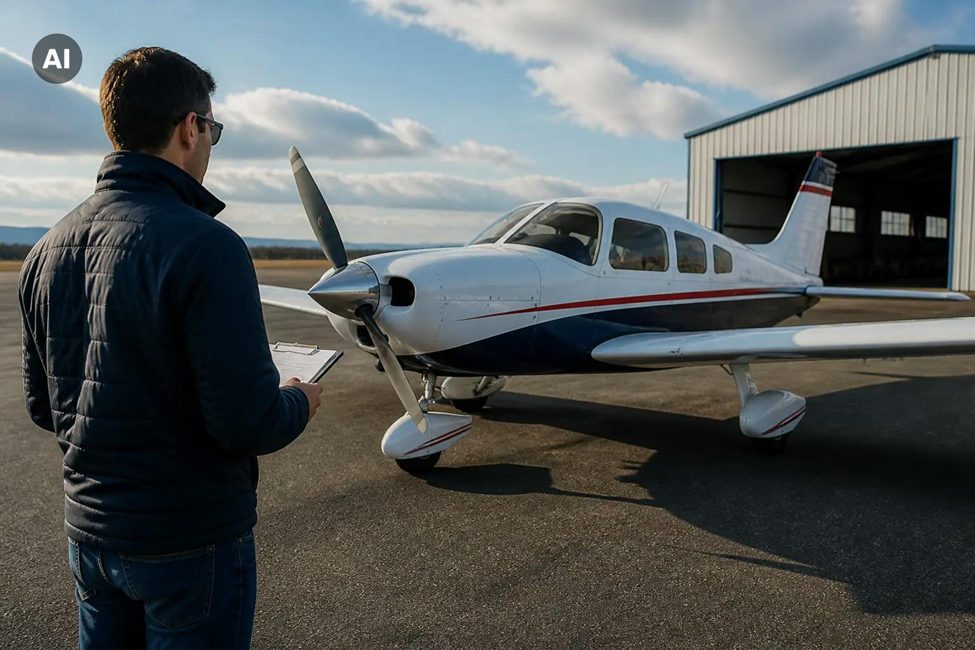
Purchasing a Piper aircraft can be a rewarding decision for flight schools, private owners and small commercial operators. Piper models range from single-engine trainers to multi-engine twins, each with different operating profiles, maintenance needs and resale values. This guide outlines the key considerations buyers should weigh when evaluating aircraft listings, inspections, costs and long-term ownership implications.
Understanding piper models and typical uses
Piper's product line includes light single-engine models commonly used for training and recreational flying, as well as larger single and twin-engine types suited for business travel and charter. Common choices include the PA-28 family for training and cross-country flying, the PA-32 series for higher payload and range, and multi-engine types like the PA-34 Seneca for shorter commuter routes. Determine your mission profile first: flight instruction, owner-flown travel, air taxi or freight, since each model has trade-offs in payload, range and operating cost.
inspection, logbooks and airworthiness considerations
A thorough pre-purchase inspection is critical. Review complete logbooks for airframe, engine and propeller; verify compliance with airworthiness directives and recurring inspections; and check for corrosion or damage from improper storage. A professional pre-buy, including borescope and test flight, uncovers maintenance items that can materially affect price. When comparing advertised inventory for configuration and typical equipment fits, it helps to consult organized listings such as Piper aircraft for sale to understand common avionics packages, model years and price bands, and then verify specifics during the inspection process.
Financing, insurance and operating cost planning
Financing options for used Pipers include bank loans, specialized aviation lenders and seller financing in some cases. Lenders will assess aircraft value, maintenance history and intended use. Insurance premiums depend on pilot experience, hull value, avionics and intended operations; shop multiple insurers to compare terms. Operating costs include fuel, oil, routine maintenance, hangar or tie-down fees, annual inspection and unexpected repairs—budget realistically for hourly direct operating costs plus fixed ownership expenses such as insurance and storage.
Avionics, upgrades and value retention
Modern avionics upgrades, such as glass panels, ADS-B compliance and GPS approaches, increase safety and often improve resale value. However, upgrades should be balanced against remaining engine TBO, corrosion history and structural condition. An investment in avionics can attract buyers later, but extensive modifications require proper STC documentation and professional installation to preserve airworthiness and insurability.
Choosing a seller and completing the transaction
Work with reputable brokers, maintenance shops or private sellers who provide transparent records and allow independent inspections. Perform title and lien searches, confirm registration status, and use escrow services or aviation-savvy attorneys for payment and transfer. For international purchases, consider import/export rules, ferry flights and compliance with the destination country's certification standards. Clear documentation and an agreed pre-buy scope reduce the risk of post-sale disputes.
Long-term ownership and resale strategy
Plan for long-term costs like engine overhauls, major inspections and avionics obsolescence when evaluating asking prices. Maintaining meticulous logs, timely maintenance and sensible upgrades helps preserve value and simplifies resale. If flexibility is important, prioritize models with broad support networks and available parts, since established supply chains minimize downtime and total cost of ownership.
