


Homeowners planning an exterior cleanup may think every dirty surface should be cleaned the same way. In reality, the best approach can depend on the surface material, its condition, the type of buildup present, and the areas around it.
Pressure washing and soft washing are two different cleaning approaches. Choosing the right method can help clean the surface effectively while reducing the risk of unnecessary damage.
What Pressure Washing Does
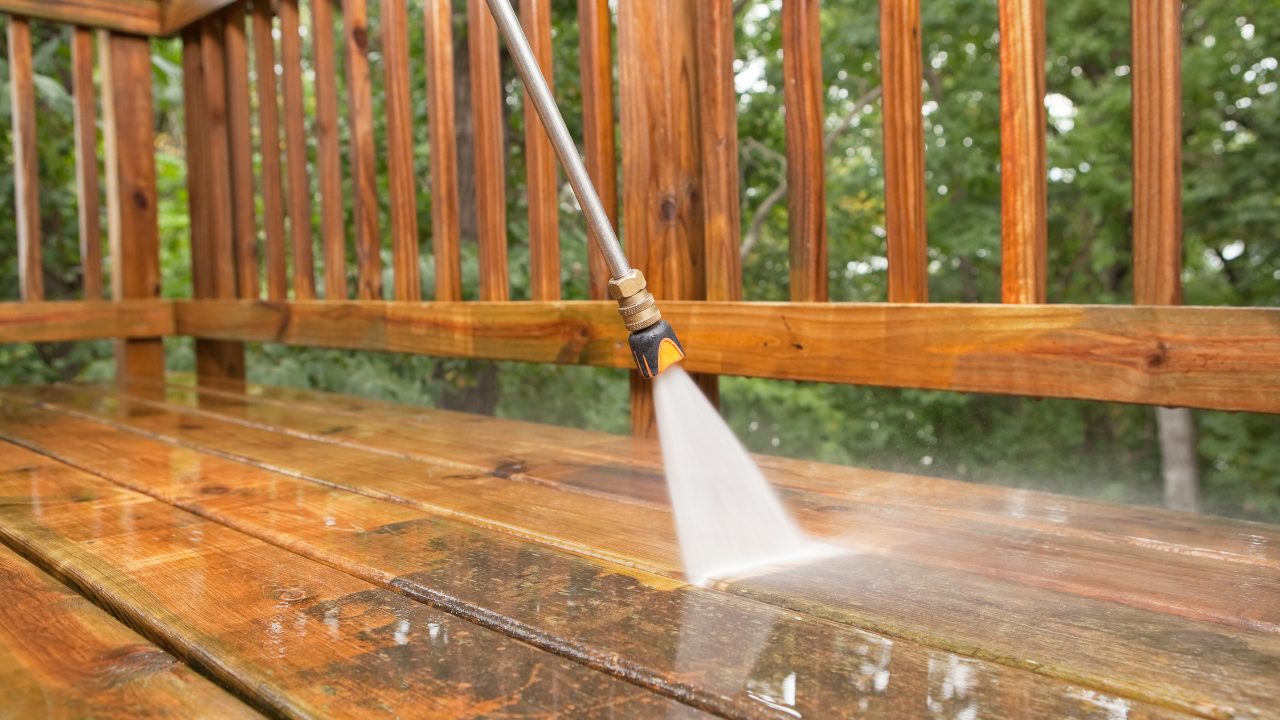
Pressure washing uses pressurized water to remove surface dirt, grime, staining, and buildup. It may be appropriate for durable outdoor surfaces such as concrete driveways, walkways, patios, and some masonry.
The proper pressure, equipment, distance, and technique can vary depending on the condition of the surface. Too much pressure or an improper cleaning method may damage wood, loosen mortar, remove paint, or force water behind siding.
Before cleaning, it is important to consider the material, age, condition, and any existing damage to the surface.
What Soft Washing Does
Soft washing uses lower-pressure application along with a cleaning solution selected for the surface and the type of buildup present. This method can help address organic staining and growth without relying on high water pressure.
Soft washing may be appropriate for surfaces that could be damaged by stronger pressure, including certain types of siding, painted surfaces, window screens, fencing, and roofing materials. The correct approach depends on the surface manufacturer’s guidance and the condition of the property.
Any cleaning solution should be selected and used carefully. Nearby landscaping, outdoor furniture, pets, drainage areas, and local requirements should all be considered before exterior cleaning begins.
Choosing a Method by Surface
Concrete, Walkways, and Patios
Concrete, pavers, and other durable hard surfaces may be suitable for pressure washing when the surface condition and staining are evaluated first. Dirt, tire marks, and other surface buildup may require a different approach than an organic stain or discoloration.
Asphalt Shingle Roofs
High-pressure washing is generally not recommended for asphalt shingle roofs. High pressure may damage roofing materials or reduce the protective granules on shingles.
Homeowners should follow the roof manufacturer’s cleaning guidance and consider consulting a qualified professional before any roof cleaning is performed.
Vinyl or Wood Siding
Lower-pressure cleaning methods may be appropriate for vinyl siding, painted wood, and other exterior surfaces. Too much pressure or an improper angle can force water behind siding and may cause damage.
Wood Decks and Fences
The best method for a deck or fence depends on the type of wood, its age, its condition, and whether it has been painted, stained, or sealed. Older, weathered, or softer wood may require a gentler approach than newer or more durable materials.
Brick and Masonry
Brick and masonry can vary widely in condition. Older brick, historic brick, and mortar joints may need a more careful cleaning approach. Before cleaning, it is important to consider the age of the masonry, the condition of the mortar, and whether the surface has previous damage.
Choosing the Right Method for Your Property
The decision usually comes down to a few questions:
- What type of surface needs to be cleaned?
- What is causing the visible buildup or staining?
- How old or fragile is the material?
- Is there existing damage, loose paint, weak mortar, or worn wood?
- Are there plants, drainage areas, or other features nearby that need protection?
A careful evaluation can help determine whether pressure washing, soft washing, or another cleaning approach may be appropriate.
Gabriel Soffer, founder and owner-operator of Gabriel’s Lawn Service GLS LLC in Pottstown, Pennsylvania, provides exterior cleaning as part of broader seasonal property maintenance. Every property is different, so the goal is to choose an approach that fits the material, conditions, and homeowner’s needs.
Signs a Different Approach May Be Needed
If a surface shows etching, fading, chipped paint, loose mortar, or other changes after cleaning, the pressure or method may not have matched the material.
If staining or buildup remains after cleaning, it may be necessary to reassess the surface, the type of stain, and the most appropriate cleaning process. Not every stain or discoloration can be removed completely, and results can vary based on the surface condition and how long the buildup has been present.
Exterior Cleaning and Property Care
Pressure washing may be useful for durable hard surfaces, while lower-pressure methods may be more suitable for delicate, painted, porous, or older materials. Using one method for every surface can lead to poor results or surface damage.
Cleaning products and wash water should always be handled responsibly. Debris and runoff should be kept out of storm drains, and care should be taken around landscaping, pets, and surrounding property.
When homeowners are unsure which approach fits their property, describing the surface and the problem is often more helpful than simply asking for “pressure washing.” A proper review of the material and conditions can help determine the most practical and careful approach.
