


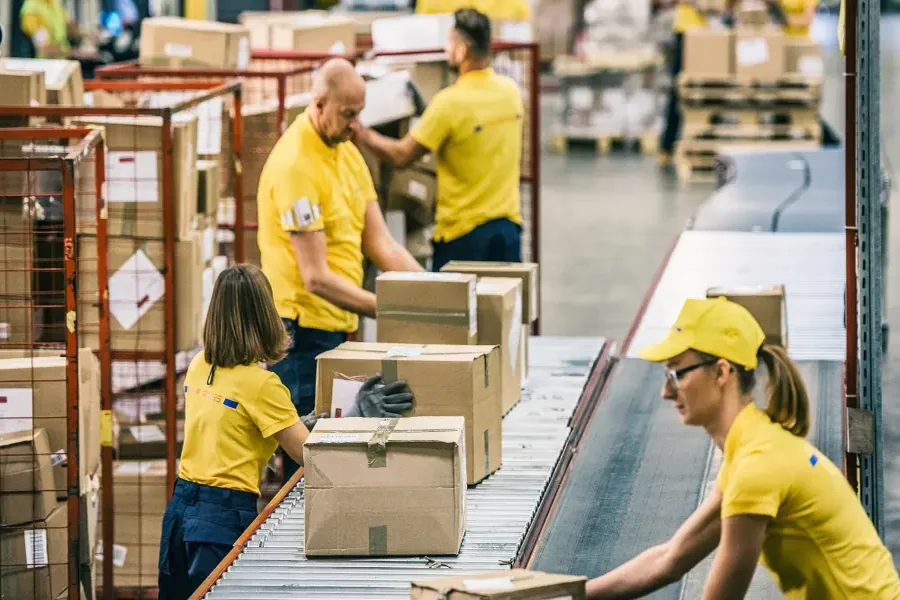
In today’s industrial landscape, studies show that up to 70% of workplace injuries in manufacturing environments are linked to improper material handling, and inefficient material flow can increase operational costs by as much as 30%. Central to improving these outcomes is the concept of material handling—the systematic movement, protection, storage, and control of materials throughout production and distribution. Mastering material handling is not just about moving products from point A to point B; it is a strategic approach that can drastically reduce costs, enhance productivity, and improve workplace safety.
Understanding Material Handling
Material handling encompasses all activities related to the transportation, storage, and control of goods within a facility or across a supply chain. This includes tasks such as lifting, carrying, conveying, sorting, packaging, and warehousing. A well-designed material handling system ensures that materials flow smoothly through production and distribution, minimizing delays and preventing damage.
The importance of material handling cannot be overstated. According to industry studies, inefficient material handling can account for up to 50% of the total production cost in manufacturing operations. Errors in material handling can lead to product damage, workplace injuries, wasted labor, and delayed deliveries—all of which negatively impact profitability and customer satisfaction. For businesses that require equipment support, solutions such as accessible forklift hire allow companies to temporarily scale operations without heavy capital investment, making efficient material movement more attainable.
Key Principles of Material Handling
Successful material handling relies on several foundational principles that guide the design and operation of handling systems:
- Planning – Effective material handling begins with meticulous planning. This involves analyzing the workflow, understanding material requirements, and anticipating potential bottlenecks.
- Standardization – Standardizing handling methods, equipment, and containers helps streamline operations and reduce training needs, errors, and equipment mismatches.
- Automation – Incorporating automation technologies such as conveyors, automated guided vehicles (AGVs), and robotic arms can significantly increase handling efficiency while minimizing human error.
- Ergonomics – Ensuring that handling processes align with human capabilities reduces strain and injury risks. Proper ergonomic design enhances worker productivity and morale.
- Space Utilization – Optimizing the use of vertical and horizontal space in warehouses and production facilities ensures that storage capacity is maximized without compromising accessibility.
- Flexibility – A material handling system should be adaptable to accommodate changes in production volume, product design, or storage requirements.
Material Handling Equipment
Selecting the right material handling equipment is pivotal to operational efficiency. The choice of equipment depends on the type of materials, the volume of goods, the distance to be covered, and the facility layout. Common categories of material handling equipment include:
- Manual Handling Tools: Basic equipment such as hand trucks, pallet jacks, and carts. Ideal for small-scale operations and short distances.
- Industrial Trucks: Forklifts, stackers, and order pickers for lifting and transporting heavy loads.
- Conveyors: Automated systems for continuous movement of goods, particularly effective in assembly lines and warehouses.
- Automated Guided Vehicles (AGVs): Mobile robots that transport materials along predefined paths, reducing labor requirements.
- Storage Systems: Shelving, racks, bins, and automated storage and retrieval systems (AS/RS) to optimize inventory management.
Choosing the right equipment improves productivity, minimizes damage, and reduces the risk of injuries.
Enhancing Operational Efficiency Through Material Handling
Operational efficiency refers to the ability of an organization to deliver products or services in a cost-effective and timely manner. Efficient material handling directly contributes to this by reducing delays, lowering operational costs, and improving throughput. Several strategies can be employed to enhance efficiency:
1. Process Optimization
Analyzing the entire workflow—from receiving raw materials to shipping finished products—helps identify bottlenecks and redundant steps. Techniques like value stream mapping can highlight inefficiencies and provide insights for process redesign. Streamlined processes reduce idle time and improve throughput.
2. Lean Manufacturing Principles
Lean principles focus on eliminating waste, including wasted motion, excess inventory, and overproduction. By integrating material handling into lean practices, companies can ensure that materials are delivered just-in-time, reducing storage needs and freeing up resources.
3. Employee Training
Even the most sophisticated equipment is ineffective without skilled operators. Comprehensive training programs in safe lifting techniques, equipment operation, and workflow protocols empower employees to handle materials efficiently while minimizing accidents.
4. Automation and Technology Integration
Advanced technologies, including IoT sensors, warehouse management systems (WMS), and real-time tracking, enable proactive monitoring of material flow. Automated systems can optimize routes, manage inventory, and predict maintenance needs, leading to higher efficiency and reduced downtime.
5. Safety and Ergonomics
Safety is intrinsically linked to efficiency. Work-related injuries not only affect employees but also disrupt operations. Ergonomically designed equipment, proper lifting techniques, and safety protocols reduce the risk of injury, ensuring continuous production flow.
Benefits of Mastering Material Handling
Organizations that invest in mastering material handling reap substantial benefits:
- Reduced Operational Costs: Efficient handling minimizes labor, storage, and damage costs.
- Improved Productivity: Streamlined material flow accelerates production and order fulfillment.
- Enhanced Quality: Proper handling reduces product damage and contamination.
- Better Space Utilization: Optimized storage and equipment layout free up valuable floor space.
- Workplace Safety: Reduced strain and fewer accidents contribute to a safer, more motivated workforce.
- Scalability: Flexible systems allow organizations to adapt to changing demand without significant disruption.
Challenges and Solutions
Despite its benefits, material handling presents several challenges:
- High Initial Investment: Advanced equipment like AGVs and automated storage systems require substantial capital. Solution: Conduct cost-benefit analysis to identify long-term ROI and consider phased implementation.
- Complex Integration: Incorporating new systems into existing workflows can be disruptive. Solution: Develop a comprehensive integration plan and provide employee training to ensure smooth transition.
- Maintenance and Downtime: Equipment failure can halt operations. Solution: Implement preventive maintenance schedules and monitor equipment performance using IoT sensors.
- Human Error: Even with automation, human involvement can lead to errors. Solution: Standardize procedures, employ training programs, and use technology for real-time monitoring.
Future Trends in Material Handling
The future of material handling is increasingly driven by automation, artificial intelligence (AI), and robotics. Smart warehouses are emerging, where autonomous vehicles, AI-powered inventory management, and predictive analytics optimize every aspect of material flow. Sustainability is also becoming a priority, with eco-friendly packaging, energy-efficient equipment, and green logistics gaining traction.
Additionally, collaborative robots (cobots) that work alongside humans are revolutionizing material handling by combining precision, speed, and adaptability. As supply chains become more complex, integrating these innovations will be essential for maintaining operational efficiency.
Conclusion
Mastering material handling is no longer an optional operational component; it is a strategic necessity for modern businesses seeking efficiency, profitability, and competitiveness. By focusing on process optimization, adopting appropriate technology, ensuring safety and ergonomics, and continuously training employees, organizations can transform material handling from a mundane task into a key driver of operational excellence.
Efficiency in material handling translates into faster production cycles, reduced costs, enhanced product quality, and safer work environments. Solutions like accessible forklift hire allow businesses to quickly implement or scale handling systems, making operational improvements more achievable. Companies that embrace this holistic approach are better positioned to respond to market demands, scale operations, and achieve sustainable growth. In an era where time, precision, and adaptability define success, mastering material handling is the cornerstone of operational excellence.
