


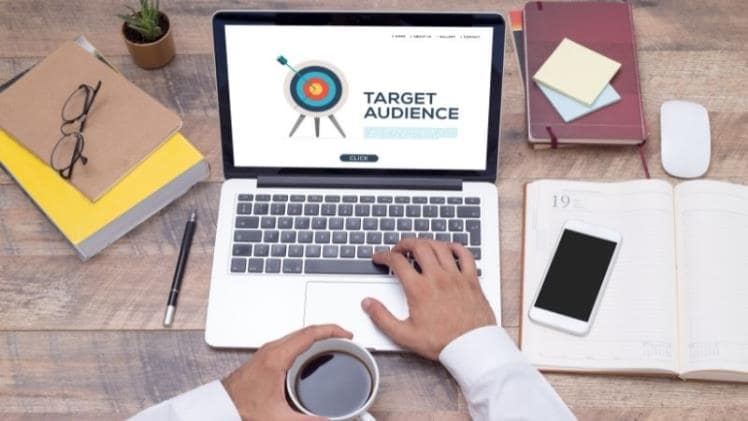
Even in 2022, one of the most common (and most troubling) mistakes marketers make is in relation to target audiences. Oftentimes, you’ll see brands trying to appeal to much too wide an audience and failing to hit the mark. Or, alternatively, they go too niche and fail to connect with anyone.
But either way, if you don’t understand who your target audience is — as well as what they want, like, need, dislike, etc. — you’ll never be able to build a strong relationship with them.
Thus, it’s imperative that you find the happy middle ground — something not so wide that it’s basically targetless but not so niche that it’s nearly impossible to reach. Ideally, you identify a target audience defined by characteristics specific to your product or service that’s large enough to effectively market to using multiple forms of audience segmentation.
To succeed, it’s all about segmenting your audience strategically, which is what we’ll cover in this article. Let’s dive in.
What is Audience Segmentation?
Audience segmentation is the process of dividing consumers into subgroups based upon pre-defined criteria — such as user demographics, product use, psychographics, communication patterns, and more. The goal of audience segmentation is to allow brands to create more effective communication and messaging that’s tailored to specific target audiences’ needs, likes, dislikes, and wants.
When it comes to audience segmentation, there are more options available than many marketers are aware of. While most digital marketers are familiar with demographic (age, gender, income) and geographic segmentation (city, country, geographic location) — not as many are experts in utilizing behavioral or psychographic segmentation.
Let’s start with behavioral segmentation. Essentially, it focuses on consumers’ behavioral patterns, such as purchasing and brand use habits. It’s a great way to segment current customers for retargeting and ensure you’re making the most out of each customer’s lifetime value (CLV).
For example, let’s say that your brand utilizes discounts as a means of encouraging repeat purchases. However, you know that those who already made routine purchases don’t need as much incentivization as those who have only made a few purchases. Thus, you use behavioral segmentation to separate your audience into frequent purchasers and infrequent purchases so you know which ones to send discount codes to. Handy!
The other method of audience segmentation not as frequently used is called psychographic segmentation. This method deals more with segmenting audiences via psychological attributes — such as beliefs, attitudes, personality traits, or lifestyles.
So, for example, instead of a sneaker brand only targeting men aged 18-40, they could be targeting men aged 18-40 living in cities with an interest in basketball and an active lifestyle. Based on their lifestyles and interests, this group of consumers would likely be more receptive to purchasing sneakers than your average 18-40-year old man.
And, thus, our sneaker brand would have better results with the second group, created through the use of psychographic segmentation.
This is the power of strategically building your target audiences and using audience segmentation methods to do so. Finding the right target audience for your brand will take time, effort, and a good deal of research.
But at the end of the day, target audiences hold a great deal more potential than many marketers give them credit for, and companies would fare much better if they used them correctly.
