


Start by Sorting, Not Selling
When a coin collection lands in your lap after a death in the family, the first instinct is often to find out what it's worth as fast as possible. Slow down. The first job is sorting, not selling.
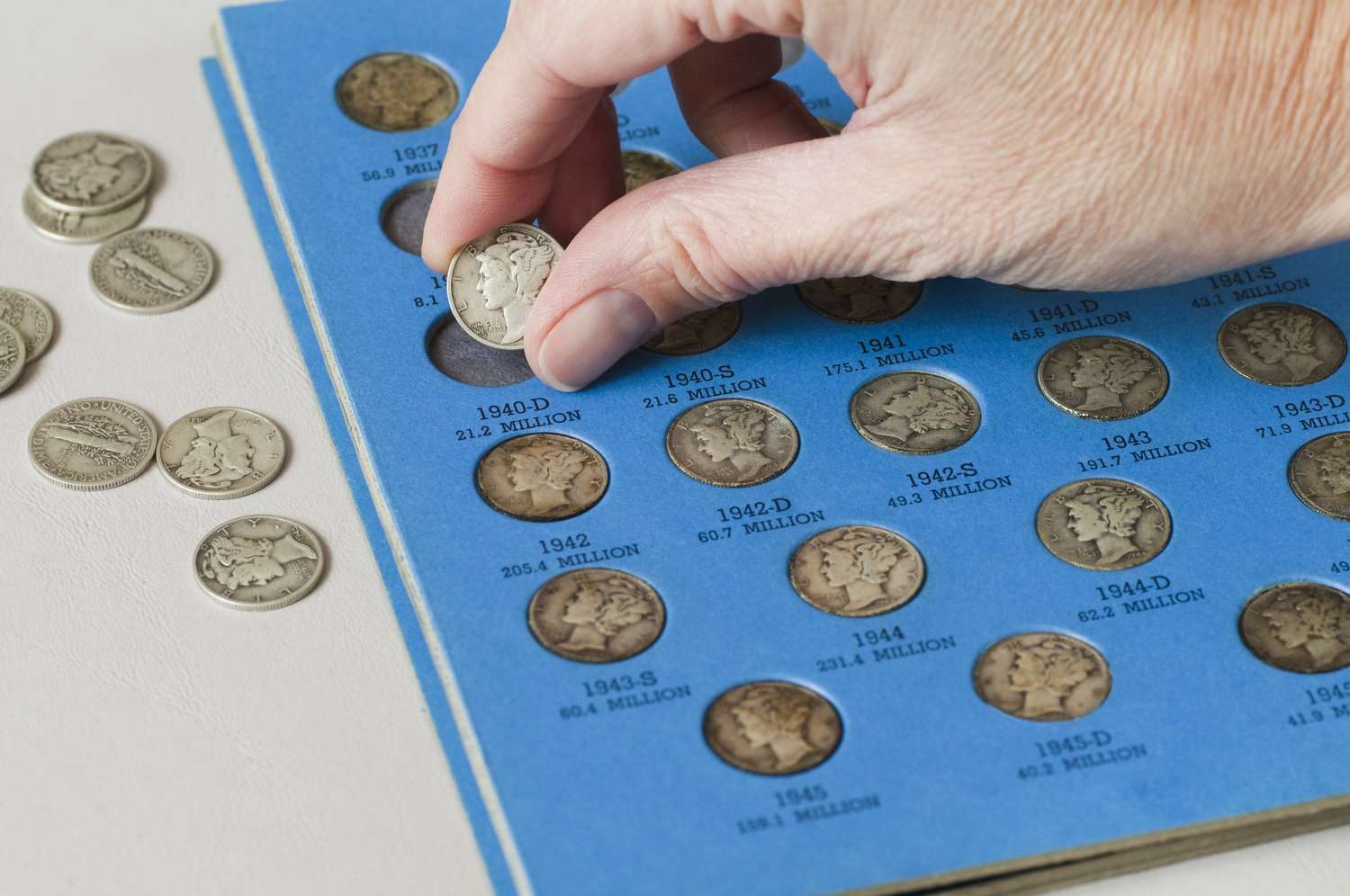
Separate coins by rough category: silver dollars, half dollars, quarters, dimes, pennies, and anything foreign or gold. Keep any coin that is still in its original holder, envelope, or album page together with that packaging. Notes written by the original collector, even a scrap of paper with a date on it, can matter more than they look like they should.
Do not clean the coins. Cleaning is one of the most common mistakes people make with inherited collections, and it can strip away the surface that determines value. A coin that looks dull or tarnished is not necessarily a coin that needs polishing.
What to Look for Before You Call Anyone
A few things are worth checking on your own before you bring a collection anywhere:
- Dates and mint marks. A small letter under the date (D, S, or none at all) can separate a common coin from a scarce one.
- Silver content. Most U.S. dimes, quarters, and half dollars made before 1965 contain silver. Coins from 1965 onward mostly do not.
- Anything that looks different. A coin with an odd color, an unusual design, or a size that does not match the rest of the roll is worth setting aside on its own.
You do not need to become an expert overnight. You just need to avoid treating every coin the same way before someone with more experience looks at them.
Getting an Honest Appraisal
An appraisal is not the same as an offer, and it helps to keep those two ideas separate in your head. An appraisal tells you roughly what a collection is worth. An offer is what a specific buyer is willing to pay that day.
Ask any appraiser how they arrived at a number. A reasonable answer will reference the coin's date, mint mark, and condition, not just its size or shine. If someone offers a number without explaining it, ask again.
It also helps to get more than one opinion when a collection includes coins you suspect are unusual. This is especially true with inherited collections, since the person who built the collection is no longer around to explain what they knew about it.
Where Traveling Coin Events Fit In
Many families first encounter professional coin buyers through traveling events held at hotels or convention centers, often advertised by mail. Organizations built around this format, including the American Rare Coin Collectors Association, set up in one location for several days at a time and invite the public to bring in coins for evaluation.
This format can work well for inherited collections specifically, because it puts several coins in front of someone who looks at unusual dates and mint marks every day. A collection that sat in a closet for decades sometimes includes a coin the original owner never realized was worth setting aside.
Keeping Records for the Rest of the Family
If a collection is being divided among siblings or other relatives, write down what you find before anything is sold. A simple list, coin by coin, with a note on which pieces were kept together, saves arguments later and gives everyone a record of what the collection actually contained.
This matters even if you plan to sell the whole thing. Once coins are separated among buyers or sold off in pieces, there is no putting the collection back together to check your work. A photo and a short list, made before any sale, is a small step that protects the rest of the family.
When to Hold, When to Sell
Not every inherited coin needs to be sold right away, and not every coin needs to be kept. A common approach is to set aside anything that looks unusual or has sentimental weight, get a second opinion on those specific pieces, and treat the rest of the collection as a straightforward sale.
Groups such as the American Rare Coin Collectors Association process a high volume of ordinary coins alongside the occasional rare find, which is part of why a mixed inherited collection, one with mostly common coins and a handful of surprises, is a routine thing for an experienced buyer to sort through. For the family doing the inheriting, the goal is simpler: know roughly what you have, keep a record of it, and take the time to ask questions before anything changes hands.
