


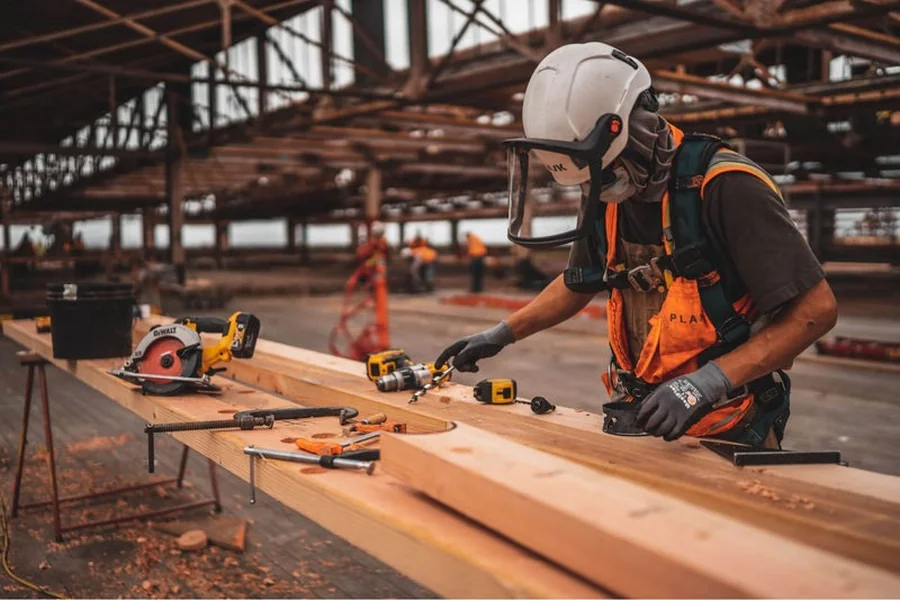
In skilled trades, safety is not a checklist it’s a habit. Tradesmen who treat safety gear as an essential work tool rather than an afterthought dramatically reduce injury risk and improve job-site efficiency. From apprentices to seasoned professionals, proper safety gear allows workers to handle demanding tasks with confidence while protecting their health over the long term.
Safety Gear Is Part of the Job, Not an Add-On
Tradespeople often rely on tools to get work done drills, saws, wrenches, ladders. Safety gear is no different.
It protects against:
- Sudden impacts
- Environmental exposure
- Equipment malfunction
- Human error
- Unpredictable job-site conditions
When hazards appear suddenly, safety gear is already in place.
Key Safety Gear Used Throughout the Workday
Morning Setup
- Hi-vis apparel for site visibility
- Hard hat for overhead protection
- Steel-toe boots for material handling
Active Work
- Gloves matched to the task
- Eye protection during cutting or drilling
- Hearing protection near loud equipment
Changing Conditions
- Rainwear or thermal layers
- Reflective gear for low-light conditions
- Respiratory protection when dust increases
Safety gear adapts to the workday as conditions change.
Why Experienced Tradesmen Rely on Safety Gear
Seasoned workers understand that injuries don’t come from big mistakes they come from routine moments.
Experienced tradesmen know:
- Fatigue increases risk
- Familiarity leads to complacency
- PPE reduces severity when accidents occur
- One injury can end a career
Safety gear protects against the unexpected.
Creating Strong Safety Habits
Habits reduce decision-making errors.
Strong safety habits include:
- Wearing PPE before starting work
- Inspecting gear daily
- Replacing damaged equipment
- Adjusting gear for proper fit
- Encouraging coworkers to do the same
Good habits keep everyone accountable.
Safety Gear and Professional Image
Clients, supervisors, and coworkers notice safety behavior.
Wearing proper safety gear communicates:
- Reliability
- Discipline
- Experience
- Respect for the job
Professional appearance builds trust and opportunity.
Long-Term Health Matters
Many trade injuries aren’t immediate they develop over time.
Safety gear helps prevent:
- Chronic hearing loss
- Repetitive strain injuries
- Long-term respiratory issues
- Foot and joint damage
Protecting your body today protects your career tomorrow.
Final Thoughts
In the trades, the body is the most valuable tool you have. Safety gear protects that tool every single day. When worn consistently and correctly, it reduces injury, improves performance, and supports long-term success. Tradesmen who respect safety gear don’t just work safer they work smarter, longer, and with confidence.
