


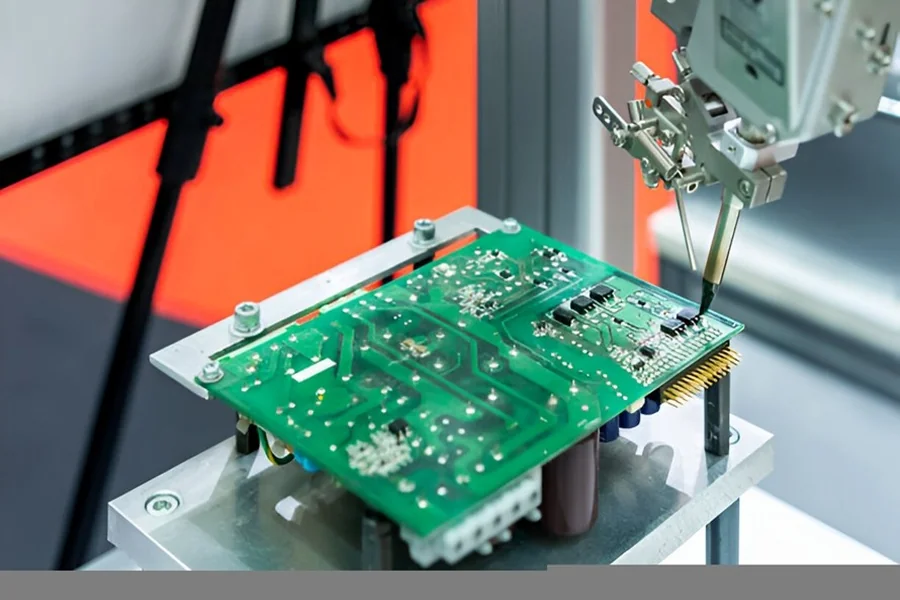
Flex PCB assembly refers to the process of assembling electronic components onto flexible printed circuit boards. Unlike traditional rigid boards, flex PCBs are built from flexible substrates such as polyimide or polyester films that can bend, twist, or fold without damaging the circuit. This flexibility makes them an ideal choice for compact, lightweight, and complex electronic devices where space and weight are critical factors.
Flex PCB assembly is widely used in industries like medical, automotive, aerospace, telecommunications, and consumer electronics. From wearable health devices to advanced communication systems, flexible PCBs allow for innovation in design and functionality while maintaining electrical reliability.
Structure and Design of Flex PCBs
A flex PCB typically consists of conductive copper layers laminated onto a flexible dielectric substrate. Depending on the application, the design can range from single-layer to multilayer flex boards. In many cases, flex PCBs are also integrated with rigid sections, forming what’s known as a rigid-flex PCB — combining the durability of rigid boards with the flexibility of flex circuits.
The main advantage of flex PCB assembly lies in its ability to fit into tight or irregular spaces, which makes it suitable for modern miniaturized electronics. Designers must pay close attention to bend radius, trace width, and copper thickness to ensure the board can handle repeated flexing without cracking or breaking.
The Flex PCB Assembly Process
Flex PCB assembly requires specialized handling and equipment due to the unique nature of flexible materials.
- Material Preparation and Cleaning
Before assembly, the flexible substrate must be carefully cleaned to remove any contaminants that could affect soldering quality. Proper preparation ensures strong adhesion and reliable connections between components and the copper pads.
- Surface Mount Technology (SMT)
SMT is the most common assembly technique for flex PCBs. Automated pick-and-place machines precisely position surface-mount components on the board, followed by reflow soldering. Since flexible materials cannot withstand high stress or heat for extended periods, the process is optimized for lower thermal cycles.
- Through-Hole Assembly
In applications requiring stronger mechanical bonds, through-hole components are added. Hand or wave soldering methods are used carefully to avoid damaging the flexible substrate.
- Testing and Quality Inspection
After assembly, flex PCBs undergo rigorous inspection and electrical testing. Automated Optical Inspection (AOI), X-ray inspection, and functional testing are used to verify solder joints, component orientation, and electrical performance.
Advantages of Flex PCB Assembly
Flex PCB assembly provides numerous advantages that make it increasingly popular across industries:
- Space Efficiency – Flexible boards can be folded or shaped to fit compact enclosures.
- Lightweight Design – Ideal for portable and wearable devices that require minimal weight.
- Durability and Shock Resistance – The flexibility helps absorb vibration and mechanical stress.
- Reduced Wiring Complexity – Flex PCBs eliminate the need for bulky cables and connectors.
- Enhanced Reliability – Fewer interconnects mean reduced chances of connection failures.
- Thermal Management – Polyimide-based substrates offer excellent heat resistance, supporting high-performance components.
Applications of Flex PCB Assembly
Flex PCB assembly finds use in a wide range of advanced electronics applications, such as:
- Wearable Electronics – Smartwatches, fitness trackers, and medical monitoring devices.
- Automotive Electronics – Lighting systems, sensors, and infotainment modules.
- Aerospace Systems – Lightweight, high-performance avionics and communication systems.
- Medical Devices – Implantable and diagnostic equipment requiring flexibility and reliability.
- Consumer Electronics – Smartphones, tablets, and foldable devices.
Challenges in Flex PCB Assembly
While flex PCBs offer many benefits, assembling them also presents unique challenges. The thin and delicate substrate requires careful handling during manufacturing. Any excessive mechanical stress can cause deformation or damage. Additionally, achieving consistent solder joints on flexible materials requires precise temperature control and alignment. Partnering with an experienced assembly provider is essential to overcome these challenges and ensure long-term reliability.
Final Thoughts: Partner with Reliable PCB Assembly in China
To achieve cost-effective, high-quality, and precision-driven results, working with a trusted PCB assembly in China provider is the ideal choice. Chinese manufacturers have advanced facilities, experienced engineers, and one-stop services that cover everything from design and prototyping to mass production and testing. By partnering with a professional PCB assembly company in China, you can ensure superior flex PCB assembly quality, faster turnaround, and competitive pricing — all while maintaining the flexibility and performance your modern electronic products demand.
