


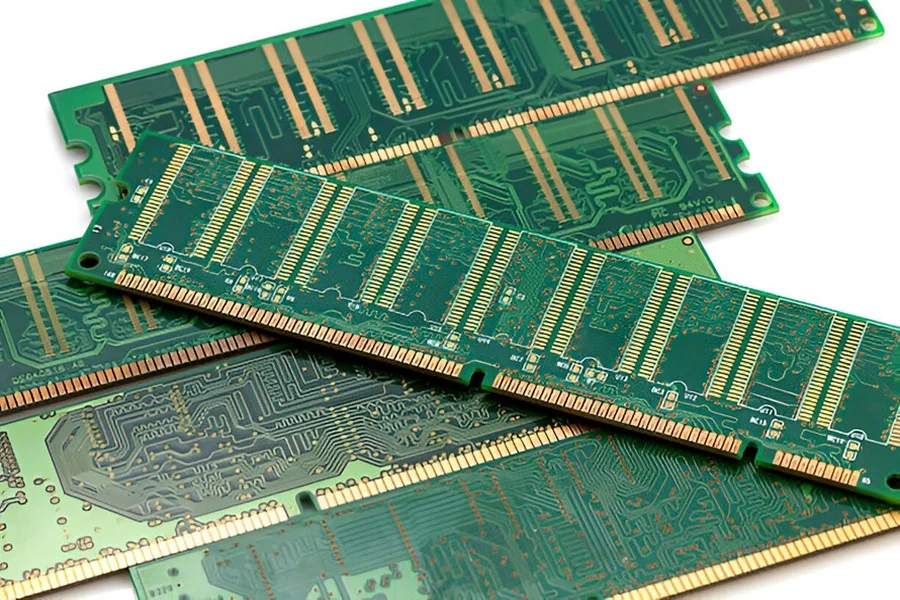
In the ever-evolving world of electronics, circuit board materials play a crucial role in determining performance, durability, and adaptability. Among the advanced materials available, the Polyimide Circuit Board has gained significant attention due to its flexibility, thermal stability, and reliability. Unlike traditional rigid substrates such as FR4, polyimide materials are designed to withstand high temperatures and harsh environments, making them an excellent choice for industries like aerospace, automotive, telecommunications, and consumer electronics.
A Polyimide Circuit Board is widely preferred for applications that demand excellent thermal resistance, chemical stability, and flexibility without compromising electrical performance. These unique characteristics enable engineers to design lightweight, compact, and high-density electronic products that perform consistently in challenging conditions.
What is a Polyimide Circuit Board?
A Polyimide Circuit Board is a type of printed circuit board (PCB) made using polyimide resin as the base material instead of conventional fiberglass or epoxy. Polyimide is a polymer known for its exceptional mechanical strength, thermal resistance, and chemical durability. When used as a PCB substrate, it ensures that the board can handle extreme environmental conditions while maintaining stable performance.
Polyimide boards can be manufactured as flexible circuit boards, rigid-flex PCBs, or multilayer structures depending on the application. Their versatility makes them suitable for both compact consumer devices and high-end industrial electronics.
Properties of Polyimide Circuit Board
The unique benefits of a Polyimide Circuit Board stem from the intrinsic properties of the material:
- High Thermal Resistance: Capable of withstanding continuous temperatures up to 260°C, making them ideal for soldering processes and high-power applications.
- Flexibility: Polyimide can bend and fold without damage, making it essential for flexible PCBs used in compact devices.
- Chemical Resistance: The substrate resists solvents, oils, and moisture, ensuring durability in challenging environments.
- Mechanical Strength: Even in thin layers, polyimide boards maintain excellent tensile strength and reliability.
- Dimensional Stability: Minimal expansion and contraction under heat ensure accuracy in high-density circuit designs.
Types of Polyimide Circuit Boards
Single-Layer Polyimide Circuit Board
This type consists of a single conductive layer on a polyimide substrate. It is lightweight, cost-effective, and commonly used in simple electronic devices.
Double-Layer Polyimide Circuit Board
With conductive layers on both sides, these boards support more complex circuitry while maintaining flexibility and strength.
Multilayer Polyimide Circuit Board
For advanced applications, multilayer designs stack several conductive layers, allowing compact designs with high component density.
Rigid-Flex Polyimide Circuit Board
Combining rigid and flexible sections, this design allows three-dimensional board layouts, ideal for medical devices, aerospace equipment, and compact consumer gadgets.
Applications of Polyimide Circuit Board
Aerospace and Defense
Polyimide Circuit Boards are widely used in satellites, navigation systems, and defense electronics where high reliability and resistance to temperature extremes are required.
Automotive Electronics
Modern vehicles rely heavily on polyimide PCBs for sensors, control units, and infotainment systems. Their ability to withstand high temperatures under the hood makes them indispensable.
Medical Devices
From implantable devices to diagnostic equipment, the biocompatibility and reliability of polyimide boards make them suitable for life-saving applications.
Consumer Electronics
Smartphones, wearables, and tablets use flexible polyimide boards to achieve slim designs without compromising performance.
Industrial Applications
High-frequency equipment, sensors, and robotics depend on polyimide PCBs for their stability in chemically aggressive and high-temperature environments.
Advantages of Polyimide Circuit Board
The Polyimide Circuit Board has clear advantages over standard materials like FR4:
- Excellent flexibility for compact and foldable designs.
- Long-term reliability under thermal and chemical stress.
- Ability to support high-density interconnections in smaller spaces.
- Lightweight nature, contributing to portable and mobile device design.
- Extended lifespan even in harsh environmental conditions.
Limitations of Polyimide Circuit Board
Despite its many benefits, the polyimide board has some limitations. It is more expensive to produce compared to FR4 boards, which may increase overall project costs. In addition, the manufacturing process requires precision and specialized expertise, as improper handling can lead to mechanical stress or reduced reliability. Nevertheless, for industries where performance and reliability are critical, the benefits far outweigh the costs.
Future of Polyimide Circuit Board
The demand for Polyimide Circuit Boards is expected to grow as industries push for more compact, reliable, and high-performance electronic devices. With the expansion of 5G technology, electric vehicles, aerospace innovations, and medical electronics, polyimide boards will play a central role in enabling advanced applications. Continued improvements in materials and fabrication processes will make them more accessible, helping to bridge the gap between performance and affordability.
Conclusion
The Polyimide Circuit Board is one of the most advanced PCB solutions available today, offering unmatched flexibility, thermal resistance, and reliability. From aerospace and automotive to consumer electronics and medical devices, its versatility ensures outstanding performance in demanding environments.
For companies seeking to leverage these benefits, choosing the right Polyimide Circuit Board Manufacturer is crucial. A trusted manufacturer will not only ensure high-quality production but also provide design support, customized solutions, and reliable boards tailored to specific industry needs.
