


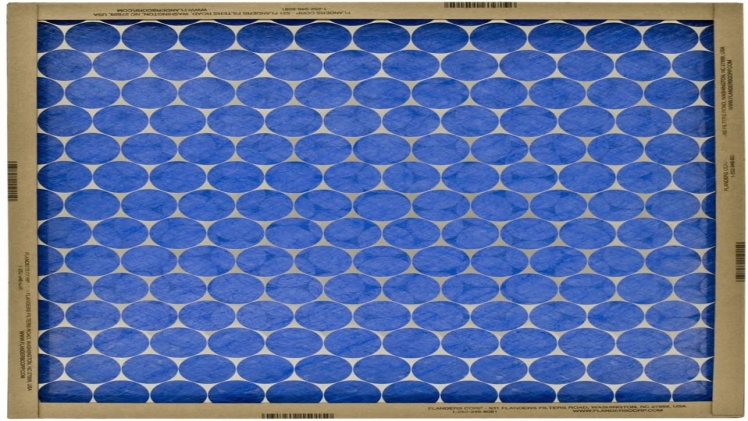
Out of the handful of necessities for humans to thrive, the air is vital. Air quality plays a huge role in our health. Exposure to polluted air or breathing micron-sized particles can lead to you developing any of the different breathing-related disorders such as asthma, sleep apnea, chronic obstructive pulmonary disease, etc. While masks and covering your mouth and nose will obstruct some of the suspended particles, it also reduces the air volume going inside. Thankfully, while indoors, you can breathe in clean, healthy, and pollution-free air, as long as you have a working HVAC fitted with HVAC Air Filters of the correct MERV rating. The correct HVAC filter can act as a protective shield against pollens, dirt, dust particles, moistures, etc., and stop them from entering indoors.
If you are in the market searching for Air Filters for your HVAC Systems, but wondering which MERV rating to go for, this article is for you.
What is the Application of Filter in an HVAC filter?
The acronym HVAC stands for Heating, Ventilation, and Air Conditioning. Irrespective of what purpose the HVAC system is used for, the functioning is the same. The air inside is pulled into the system and passed through specific components of your HVAC system to alter the temperature (Heating and Air Conditioning) or exchange the indoor air with outside air for ventilation. Yet, before entering any of the internal systems, the air passes through a series of spun fiberglass sheets or pleated paper/cloth filters.
The function of the filter is to trap particles with a size larger than the pores on the filter. Without the filter, these particles will enter and collect between the gaps between different mechanical parts of the HVAC system. In the long run, they will affect the HVAC system performance and eventually malfunction it, which will cost a huge sum in repairs. The filters are also effective in absorbing and eliminating odors and any gaseous pollutants from the circulated air.
Filter Types
There are 4 different types of filters available depending on the HVAC application, i.e., industrial, commercial, residential, and institutional areas.
- Fiberglass: The most inexpensive and easy to dispose-off filter. These filter types are effective in trapping dust and allow easy airflow. Any particle smaller than a dust particle can easily pass through and hence fiberglass filters are inefficient against pollens and airborne germs. So, these filter types are used in residential and institutional HVAC systems. Depending on the usage, you may need to change these filters as quickly as once every month.
- Pleated: A more efficient HVAC filter compared to the fiberglass filter. Due to the construction of the filter layers, these filters are able to trap finer airborne particles. They provide cleaner indoor air and are more suitable for people with allergies. Even with higher dust capture capability, these filters need to be replaced once every three months.

- HEPA Filter: Acronym for High Efficiency Particulate Air, the HEPA filters have a denser fiber structure. These are the pinnacle in terms of air filtration but are an overkill for residential and institutional HVAC units. These are widely used in hospitals and clinics as they can block even the minute suspended particles.

- Electrostatic Filter: As the name suggests, the electrostatic filter uses static generated from electricity to attract dirt, dust, and any other microns. They can very easily remove pollen and allergens from the air. These provide the highest air quality and hence, are used in clean rooms, laboratories where a clean environment is mandatory.

What do different MERV values signify?
When shopping online for 1” HVAC filters or filters of thicker size, you may have the product listed with MERV values. MERV rating is defined by the American Society of Heating, Refrigerating, and Air Conditioning Engineers (ASHRAE) and stands for Minimum Efficiency Reporting Value. The MERV value of a filter represents a numeric value for rating and comparing the filter’s efficiency & performance. MERV ratings start from MERV 1 and go up to MERV 16. The higher the MERV rating, the more efficient it is in capturing most minute particles. Yet, the cost also increases with higher MERV ratings. For the sake of understanding, we will categorize them into 4 major categories:
- Low cost but low efficiency: HVAC filters with MERV ratings between 1-4 fall in this category. These are standard filters providing air filtration at lowest cost.
- Low cost but better filtration: HVAC filters with MERV rating between 6-8 are costlier but better suited for residential furnaces and air conditioner systems. These are pleated cloth filters with better particle trapping properties.
- Costly and better filtration: Mid-range HVAC with MERV rating between 9-12 filters that provide better filtration efficiency. They are efficient in trapping particles larger than 1 microns. This is greatly suggested for people with pets and allergies.
- Costliest and best filtration: The cream of the crop, HVAC filters with MERV ratings above 12 are best suitable for hospitals and clinics. They can trap particles of 0.3 microns and larger.
Wrapping Up
For someone planning to replace the air filters of their home and wish to save money can go for MERV 4 filters. Those with allergen should opt for MERV 7 for efficient air quality. Depending on how thick the filter you choose, the replacement period changes but it should be compatible with your systems. Owing to the denser fibers in MERV 13 and above filters, your HVAC system may be aspirated from trying to pull in the air. Unless you have a tight budget, it is better to go for a filter with 6-8 MERV rating.
